Experience Arizona from Above
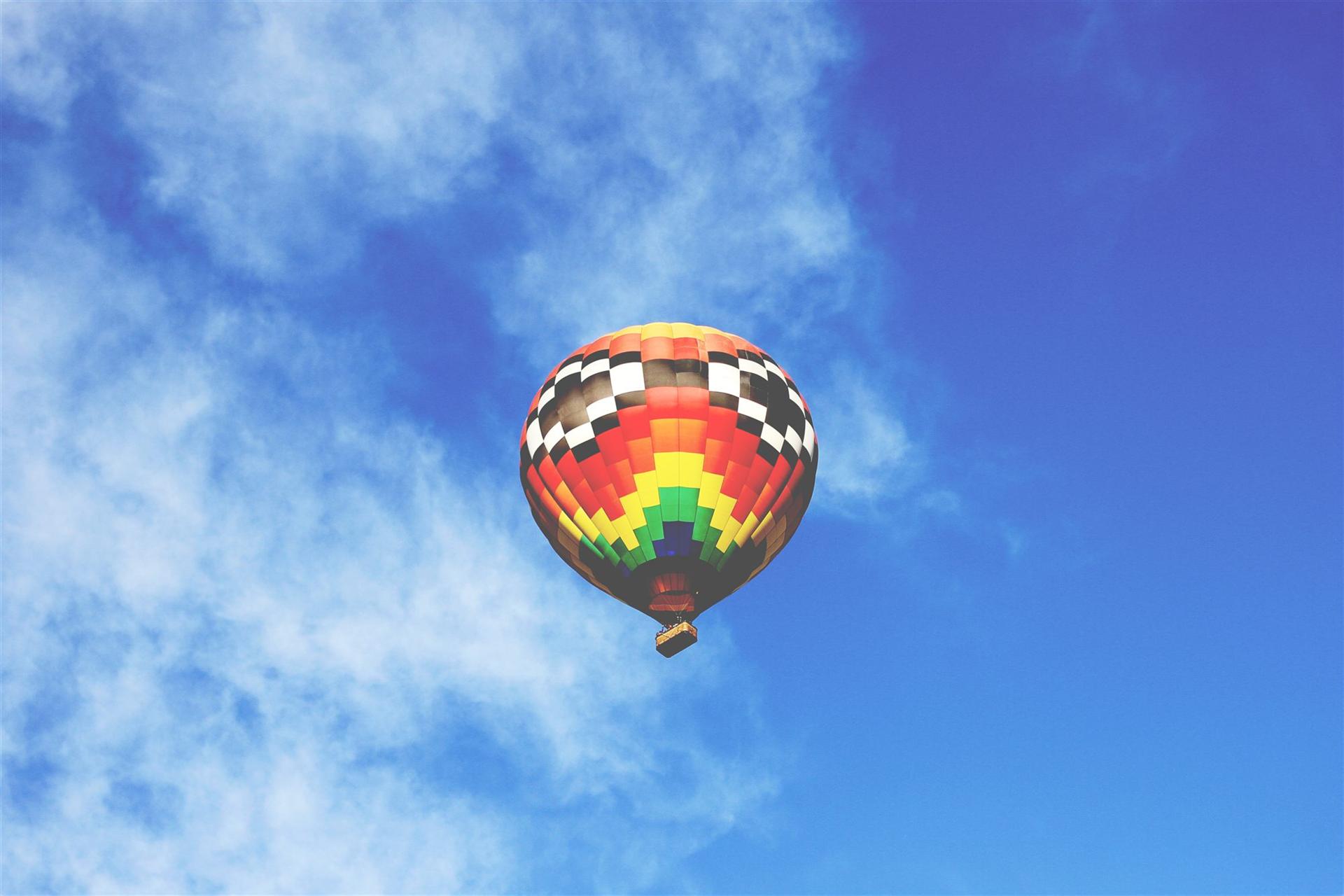
There's a particular kind of quiet you only experience drifting silently above the desert in a hot air balloon — no engine noise, just the occasional roar of the burner and the wind moving past. Arizona's combination of dramatic scenery and famously stable morning air has made it one of the country's premier hot air ballooning destinations, with flights available over both the saguaro-studded Sonoran Desert around Phoenix and Scottsdale, and the red rock formations surrounding Sedona.
Whether you're watching sunrise light spread across Camelback Mountain from above or floating past Sedona's buttes and spires at eye level, a balloon flight offers a genuinely different way to experience Arizona's landscape — one most visitors never consider until they see it from the air themselves.
Why Balloon Flights Happen at Sunrise
Nearly all commercial hot air balloon flights in Arizona launch at or just before sunrise, and the reason is entirely practical rather than aesthetic. Early morning air is at its calmest and most stable, before the sun begins heating the ground and generating the thermal updrafts and shifting winds that develop later in the day. That calm air makes launch, flight, and landing considerably safer and more predictable.
The stunning light is a genuine bonus, but the real driver is physics — by mid-morning, most Arizona locations have already become too windy or thermally active for safe balloon flight, which is why you won't find afternoon balloon rides on offer.
Where to Go Ballooning in Arizona
Arizona's ballooning industry centers on two distinct regions, each offering a genuinely different visual experience from the air.
Sedona: Red Rock Views
Flying above Sedona means drifting past — and sometimes remarkably close to — the region's iconic red rock buttes, spires, and canyons, with the Verde Valley and Mogollon Rim visible in the distance on clear mornings. The dramatic terrain makes for some of the most visually striking balloon flights anywhere in the Southwest.
Phoenix and Scottsdale: Sonoran Desert Views
Flights over the Phoenix and Scottsdale area drift above classic Sonoran Desert terrain — saguaro cacti, desert washes, and mountain ranges like Camelback and the McDowells — with the sprawling Valley of the Sun visible on the horizon. This region's flatter terrain and reliable wind patterns have made it one of the most established ballooning markets in the country.
What to Expect: The Full Experience
A typical hot air balloon outing takes considerably longer than the flight itself. Expect an early pre-dawn pickup or meeting time, followed by roughly 30–45 minutes of watching (and often helping) the crew inflate and launch the balloon — genuinely interesting to see up close. The flight itself generally lasts 45 minutes to an hour and a half, drifting wherever the wind carries the balloon, since balloons have no independent steering and rely entirely on wind direction and altitude changes for navigation.
After landing, many operators continue a long-standing ballooning tradition of a champagne toast (or sparkling cider for non-drinkers and younger guests), tied to the earliest days of ballooning when pilots offered landowners a drink to smooth over an unplanned landing in their field. All told, budget 3–4 hours for the complete experience from pickup to drop-off.
How Hot Air Balloons Work
Hot air balloons fly on a simple principle: heated air is less dense than the cooler air surrounding it, generating lift. A propane burner heats the air inside the balloon's envelope, and pilots control altitude by adjusting that heat — more heat to climb, allowing the air to cool naturally to descend. Because balloons have no engine or steering mechanism, pilots navigate almost entirely by finding different wind directions at different altitudes, a skill that takes genuine expertise to do safely and effectively.
Safety and Regulation
Commercial hot air ballooning in the United States operates under Federal Aviation Administration regulation, and pilots must hold a commercial balloon pilot license requiring documented training, flight hours, and ongoing certification. Balloons themselves undergo regular inspection, similar to other FAA-regulated aircraft.
The industry's overall safety record is strong, particularly given how conservatively operators manage weather-related cancellations — a responsible operator will always choose to scrub a flight rather than launch into marginal conditions, which is a genuine safety feature of the industry rather than an inconvenience.
What to Wear and Bring
Closed-toe shoes are standard practice for balloon flights, given the uneven ground during launch and landing. Layered clothing is worth packing even in summer, since pre-dawn desert temperatures start noticeably cooler than the day's eventual high. Sun protection matters too — sunglasses and sunscreen are easy to forget when leaving in the dark, but the sun climbs quickly once the flight is underway.
Weather and Cancellations
Wind, precipitation, and unstable air are all common reasons for a scrubbed or rescheduled flight, since safe ballooning depends entirely on calm, predictable conditions. Most operators build flexibility into their booking policies specifically because of this weather dependency, so it's worth building a buffer day or two into travel plans if a balloon flight is a priority, rather than scheduling it for your only morning in town.
Best Time of Year
Fall through spring generally offers the most reliable ballooning conditions in the Phoenix and Scottsdale area, avoiding the most intense summer heat. Sedona's higher elevation keeps conditions comfortable across a slightly wider window, though summer's monsoon season can bring more unpredictable morning weather to both regions.
Is It Good for Families?
Most operators set minimum age or height requirements for safety reasons, tied to basket height and the physical demands of a firm landing, so families with young children should check specific policies before booking. Older kids and teens who meet the requirements often find the experience genuinely memorable — a rare chance to see a landscape from directly above rather than from a car window or trailhead.
Photography Tips
The soft, low-angle light of sunrise is a genuine gift for photography from a balloon basket, raking across red rock formations or desert terrain in a way that's hard to replicate at any other time of day. A wide-angle lens captures the sweeping landscape below, while a phone camera works perfectly well for casual shots given how much natural light is available during a sunrise flight. Other balloons in the sky nearby, common at popular launch sites, often make for some of the most memorable shots of the entire flight.
Nearby Attractions
Arizona's ballooning regions sit alongside other signature Northern and Central Arizona experiences.
Sedona
Red rock formations best seen from both ground and air.
READ GUIDE →Arizona Stargazing Guide
Pair a sunrise balloon flight with a night under Arizona's dark skies.
READ GUIDE →Arizona Wine Country
Verde Valley vineyards a short drive from Sedona.
READ GUIDE →
Frequently Asked Questions
Where can you go hot air ballooning in Arizona?
The Sonoran Desert around Phoenix and Scottsdale, and the red rock country around Sedona, are Arizona's two primary hot air ballooning regions.
Why do balloon flights happen at sunrise?
Early morning air is cooler and calmer, with the smoothest, most predictable wind conditions of the day — winds typically pick up later in the morning, making flight control more difficult.
How long does a hot air balloon flight last?
Most commercial flights in Arizona last about 45 minutes to 1.5 hours in the air, with the full experience including setup, flight, and landing typically taking 3–4 hours total.
Is hot air ballooning safe?
Commercial hot air ballooning has a strong overall safety record; flights operate under FAA regulation, and pilots hold commercial balloon licenses requiring ongoing training and certification.
What should I wear for a balloon flight?
Closed-toe shoes, layered clothing (mornings start cool even in summer), and sun protection for the flight itself are all recommended.
Do flights get canceled for weather?
Yes — wind, precipitation, and unstable air are common reasons for cancellation or rescheduling, since balloon flight depends entirely on calm, predictable conditions.
Can you fly over the Grand Canyon in a hot air balloon?
No — commercial balloon flights are not offered over the Grand Canyon itself due to airspace restrictions and the canyon's challenging wind patterns; Sedona and the Phoenix area are the primary Arizona ballooning regions instead.
Is hot air ballooning good for kids?
Most operators set minimum age or height requirements for safety, so check specific policies before booking a flight with children.
Why Go Ballooning in Arizona?
Few experiences offer the same combination of stillness and spectacle as a sunrise balloon flight over Arizona's desert and red rock terrain. It's a genuinely different way to see landscapes most visitors only experience from the ground, and the sense of quiet drifting above saguaros or red rock spires tends to stay with people long after the flight lands. Paired with Sedona, Scottsdale, or a wider Arizona itinerary, hot air ballooning adds a memorable, once-per-trip kind of experience.
Continue Exploring Signature Arizona Experiences
Hot air ballooning pairs naturally with the rest of Northern Arizona's signature experiences. If you'd like to experience the region without the stress of planning, Grand Canyon Journeys offers private luxury tours featuring expert local guides, scenic routes, and personalized itineraries throughout the region.
Desert Wildflowers
A wet winter can trigger a spectacular spring wildflower bloom across the Sonoran Deser...
READ GUIDE →Native American Arts & Culture
Galleries, trading posts, and cultural centers throughout the state showcase authentic ...
READ GUIDE →Outdoor Adventures
From canyon hikes to river rafting, Arizona's varied terrain supports outdoor adventure...
READ GUIDE →
Plan Your Arizona Trip
Ready to experience Arizona in person? Browse our full range of private guided tours.
All Tours
10 private tours across the Grand Canyon, Sedona & Arizona
VIEW ALL TOURS →
Pair Your Flight with a Private Tour
A dawn balloon flight leaves the rest of the day open, and it pairs naturally with a private tour. Our Sedona departures can collect you after landing for the red rock viewpoints, the South Rim, or an evening under some of the darkest skies in Arizona.