Discover Arizona's Native American Heritage
Arizona is home to 22 federally recognized tribal nations, and their artistic traditions — weaving, pottery, silverwork, carving, and painting — represent some of the most significant living art traditions in North America. Galleries, historic trading posts, and cultural centers throughout the state offer visitors genuine opportunities to see, learn about, and purchase authentic Native American art, often directly from the artists and communities who create it.
This guide offers a starting point for understanding and respectfully engaging with that art and culture. For deeper histories of specific nations, see our dedicated guides to the Navajo Nation →, Hopi Cultural Heritage →, Havasupai Tribe →, Hualapai Tribe →, Apache Heritage →, and the Colorado River Indian Tribes →.
A Living Tradition, Not a Historical Display
It's worth stating plainly: Native American art and culture in Arizona is not a historical relic or a museum-only subject. Navajo weavers, Hopi potters, and silversmiths across the state's tribal nations are practicing, innovating, and teaching these art forms today, often within families and communities where techniques have been passed down for many generations. Visitors who understand this — that they're engaging with living, evolving traditions rather than a frozen past — tend to have far more respectful and rewarding experiences.
Navajo Weaving and Silverwork
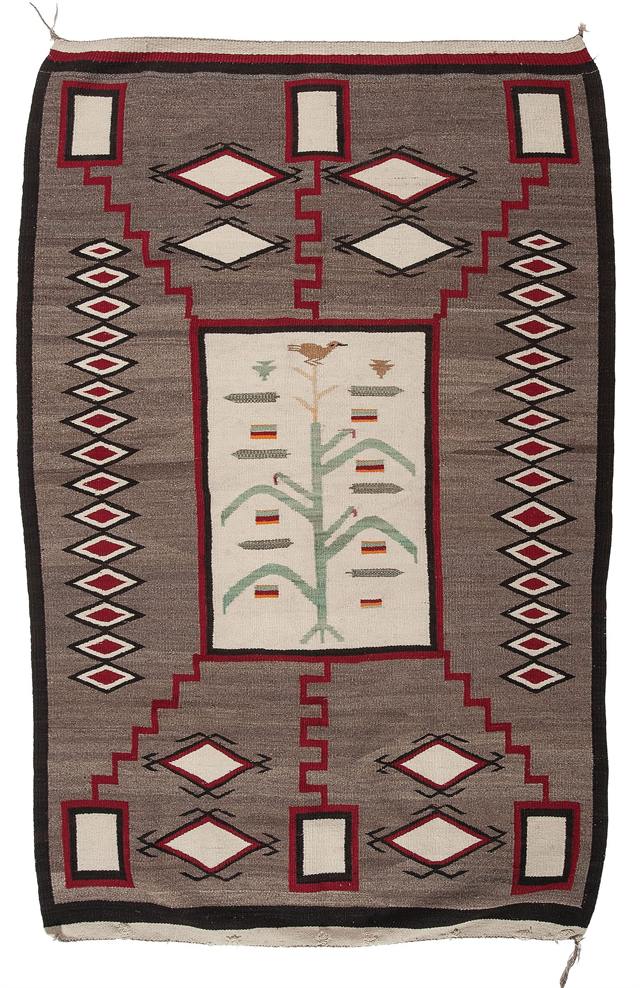
Navajo weaving is among the most recognized Native American art forms in the world, traditionally created on upright looms using hand-spun wool in patterns that range from bold geometric designs to intricate pictorial scenes. Regional styles — Two Grey Hills, Ganado, Teec Nos Pos, and others — each carry distinct color palettes and pattern traditions tied to specific communities within the Navajo Nation.
Navajo silversmiths are equally renowned, particularly for jewelry combining silver with turquoise and other stones, a tradition that developed in the mid-to-late 1800s and has continued evolving in technique and style ever since.
Hopi Pottery, Kachina Carvings, and Overlay Jewelry
Hopi artists are particularly recognized for pottery built using traditional coil-and-scrape techniques and painted with intricate designs often rooted in ancestral Puebloan pottery traditions. Hopi carvers create katsina figures — carved from cottonwood root and painted to represent katsinam, spiritual beings central to Hopi religious life — objects that carry genuine cultural and spiritual significance well beyond their role as art pieces. Hopi silversmiths are also known for a distinctive overlay jewelry technique, cutting intricate designs into one layer of silver soldered atop a darkened base layer, producing a striking contrast unique to Hopi work.
Trading Posts: Hubbell and Beyond
Trading posts have played a complicated but central role in Southwestern Native American art for over a century, historically serving as the primary point of exchange between Native artists and outside markets. Hubbell Trading Post, in Ganado on the Navajo Nation, is the oldest continuously operating trading post on the reservation and is preserved today as a National Historic Site, still selling authentic Navajo weavings and crafts much as it has for generations.
Beyond Hubbell, numerous trading posts and reservation-based galleries throughout Navajo and Hopi lands continue this tradition, offering visitors a chance to purchase art in settings with genuine historical and cultural continuity, rather than a generic gift shop experience.
Galleries and Cultural Centers
The Heard Museum in Phoenix is one of the most respected institutions in the country for American Indian art and culture, with extensive collections and exhibits developed in direct partnership with Native communities. The Navajo Nation Museum in Window Rock offers deep context on Navajo history and art from within the Navajo Nation itself, and the Museum of Northern Arizona in Flagstaff covers the region's Native cultures alongside its natural history. Together, these institutions offer visitors considerably more context and depth than a gallery visit alone.
Buying Authentic Native American Art
The federal Indian Arts and Crafts Act makes it illegal to market or sell art and craft products using false claims of Native American production, a genuine consumer protection specifically aimed at safeguarding both buyers and Native artists from counterfeit goods. Buying from reputable galleries, tribal-owned enterprises, established trading posts, or directly from artists is the most reliable way to ensure authenticity.
Asking about the artist, the materials used, and the piece's origin is entirely appropriate and often welcomed — reputable sellers are typically glad to share that context. Unusually low prices, especially for items marketed as hand-made, are a common red flag worth taking seriously.
Visiting Respectfully
Photography policies vary considerably by location, artist, and event — always ask before photographing individual artists, their work in progress, or any ceremony, since some settings prohibit photography entirely out of respect for cultural or religious practice. Sensitive cultural and religious sites and ceremonies are not tourist performances, and treating them with the same seriousness a community member would is essential.
More broadly, engaging with Native American art and culture respectfully means recognizing the depth and continuity of these traditions, supporting artists and communities directly where possible, and approaching the experience with genuine curiosity rather than treating it as a simple photo opportunity.
Arizona's Tribal Nations at a Glance
Arizona is home to 22 federally recognized tribal nations, each with distinct art forms, history, and culture. Explore our dedicated guides to learn more about several of the nations most connected to Northern Arizona travel.
Navajo Nation
The largest Native American reservation in the United States.
READ GUIDE →Hopi Cultural Heritage
Ancestral Puebloan pottery, katsina carving, and overlay silverwork.
READ GUIDE →Havasupai Tribe
Guardians of the famous blue-green waterfalls deep in the Grand Canyon.
READ GUIDE →Hualapai Tribe
Stewards of the western Grand Canyon and Skywalk.
READ GUIDE →Apache Heritage
The White Mountain and San Carlos Apache nations of eastern Arizona.
READ GUIDE →Colorado River Indian Tribes
Four distinct nations along the lower Colorado River.
READ GUIDE →
Nearby Attractions
Native American arts and culture sites connect naturally to several other Northern Arizona destinations.
Navajo Nation
Home to Hubbell Trading Post and the Navajo Nation Museum.
READ GUIDE →Flagstaff
Home to the Museum of Northern Arizona.
READ GUIDE →Route 66
Historic trading posts and galleries along the Mother Road.
READ GUIDE →
Frequently Asked Questions
What is Hubbell Trading Post?
Hubbell Trading Post, in Ganado on the Navajo Nation, is the oldest continuously operating trading post on the reservation and is preserved today as a National Historic Site, still selling authentic Navajo weavings and crafts.
How can I make sure I'm buying authentic Native American art?
Buy from reputable galleries, tribal-owned enterprises, trading posts, or directly from artists; ask about the artist and materials, and be cautious of unusually low prices, since the Indian Arts and Crafts Act makes it illegal to falsely market art as Native American-made.
What is the Indian Arts and Crafts Act?
It's a federal truth-in-advertising law making it illegal to market and sell art or craft products using false claims of Native American production, protecting both consumers and Native artists.
Can I visit tribal museums and cultural centers in Arizona?
Yes — many Arizona tribes operate public museums and cultural centers, including the Navajo Nation Museum and the Heard Museum in Phoenix, which are open to visitors and offer deep context on Southwestern Native art and history.
Is it okay to photograph Native American artists or ceremonies?
Always ask first. Photography policies vary widely by location, artist, and event, and some ceremonies and settings prohibit photography entirely out of respect for cultural and religious practices.
What is the difference between Navajo and Hopi art?
Navajo art is best known for wool weaving and silver-and-turquoise jewelry, while Hopi art is particularly recognized for kachina carvings, silver overlay jewelry, and distinctive pottery — each nation has its own deep, distinct artistic traditions.
Where is the Heard Museum?
The Heard Museum is located in Phoenix and is one of the most respected institutions in the country for American Indian art and culture, with extensive collections and exhibits developed in partnership with Native communities.
Can I buy Native American art directly from reservations?
Yes — trading posts, roadside stands, tribal arts and crafts enterprises, and galleries throughout the Navajo Nation, Hopi villages, and other Arizona reservations sell directly to visitors.
Why Experience Native American Arts & Culture in Arizona?
Few states offer visitors the breadth and depth of living Native American art and culture found in Arizona, home to 22 tribal nations with distinct, ongoing artistic traditions spanning weaving, pottery, jewelry, and carving. Engaging with this art thoughtfully — through reputable galleries, historic trading posts, and respected cultural institutions — offers travelers a genuinely meaningful way to understand the deep, continuous human history woven into the same landscapes they've come to see.
Continue Exploring Signature Arizona Experiences
Native American arts and culture pair naturally with the rest of Northern Arizona's signature experiences. If you'd like to experience the region without the stress of planning, Grand Canyon Journeys offers private luxury tours featuring expert local guides, scenic routes, and personalized itineraries throughout the region.
Outdoor Adventures
From canyon hikes to river rafting, Arizona's varied terrain supports outdoor adventure...
READ GUIDE →Luxury Arizona Experiences
Private guides, boutique lodges, and personalized itineraries make it possible to exper...
READ GUIDE →Route 66
The historic "Mother Road" still runs through Arizona towns like Williams and Flagstaff...
READ GUIDE →
Plan Your Arizona Trip
Ready to experience Arizona in person? Browse our full range of private guided tours.
All Tours
10 private tours across the Grand Canyon, Sedona & Arizona
VIEW ALL TOURS →
See the Living Landscape Behind the Art
The traditions described here are rooted in specific places, and those places are close at hand. Our Four National Monuments tour visits Montezuma Castle, Tuzigoot and Wupatki in one day, while the Antelope Canyon itinerary is guided on Navajo land by Navajo guides. Every departure is private, with time to look properly.
Antelope Canyon & Horseshoe Bend Tour
From $419
VIEW TOUR →