Experience Arizona's Wildflower Season
For most of the year, Arizona's Sonoran Desert reads as a landscape of muted greens, browns, and dusty tan soil. Then, in a good year, a wet winter breaks that pattern entirely — and for a few unpredictable weeks each spring, the desert floor erupts into carpets of orange, purple, yellow, and white wildflowers stretching to the horizon. Arizonans call it a superbloom, and when conditions align, it ranks among the most dramatic natural spectacles the desert Southwest has to offer.
Unlike more predictable seasonal events, a true superbloom can't be scheduled or guaranteed — it depends entirely on a specific combination of winter rainfall that doesn't happen every year. This guide covers what triggers a bloom, where to find it, and how to time a visit around one of the desert's most fleeting, rewarding sights.
What Is a Superbloom?
A superbloom is an unusually intense, widespread wildflower bloom that briefly transforms desert terrain normally dominated by sparse shrubs and cacti into dense fields of color. While modest wildflower blooms occur in most years, a genuine superbloom — the kind that draws national media coverage and crowds of photographers — requires a rarer alignment of conditions, making it a genuinely special event rather than an annual guarantee.
When Do Wildflowers Bloom in Arizona?
In the Sonoran Desert's lower elevations around Phoenix, Tucson, and the state's southwestern monuments, peak bloom typically runs from late February through April, with exact timing shifting year to year based on winter weather. Higher-elevation areas around Sedona, the Verde Valley, and Flagstaff bloom later, often stretching from spring into summer as snowmelt and warmer temperatures arrive on a delayed schedule compared to the low desert.
What Triggers a Superbloom?
Desert wildflower seeds can lie dormant in the soil for years, waiting for the right combination of conditions to germinate. A genuine superbloom generally requires well-timed, above-average winter rainfall — not just heavy rain, but rain spread across the season at the right intervals — combined with mild temperatures that avoid killing frosts or premature heat spikes. When those conditions align, dormant seeds across huge areas germinate and bloom in near-unison, producing the dense, synchronized fields of color associated with a true superbloom.
Because this specific combination of timing and quantity is genuinely uncommon, strong superbloom years are memorable, widely reported events rather than a predictable annual occurrence.
Mexican Gold Poppy: The Signature Bloom
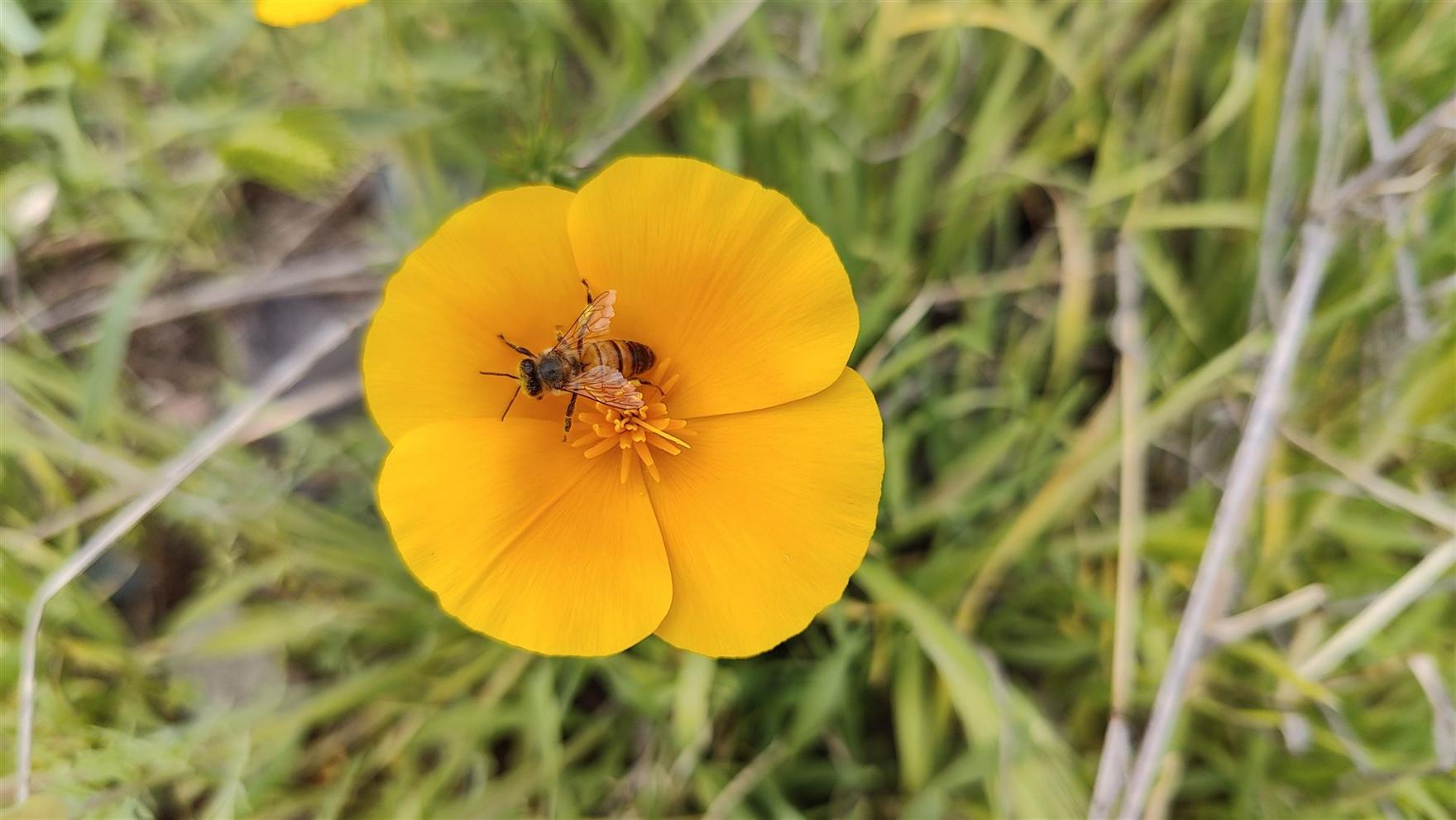
The Mexican gold poppy is the defining flower of an Arizona superbloom, its vivid orange petals responsible for the vast, glowing fields of color most associated with the phenomenon. Found throughout the Sonoran Desert, this poppy blooms low to the ground in dense stands, opening fully in direct sunlight and closing on cloudy days or after sunset — a detail that affects both viewing and photography, since the flowers look noticeably different depending on time of day and weather.
Other Common Wildflowers
While Mexican gold poppies dominate the visual impact of most Arizona superblooms, they typically bloom alongside a supporting cast of other desert wildflowers. Purple lupine adds contrasting color to poppy fields, desert marigold and brittlebush contribute additional yellow tones, globemallow adds soft orange-pink blooms, and owl clover brings pink and purple accents low to the ground. Together, this mix produces the layered, multicolored fields that make the strongest bloom years so visually striking.
Best Places to See Wildflowers
Organ Pipe Cactus National Monument, in the far southwestern corner of the state, is one of Arizona's most reliable Sonoran Desert bloom locations, particularly for poppies and the monument's namesake organ pipe cacti in bloom. Picacho Peak State Park, along I-10 between Phoenix and Tucson, is famous for turning its slopes almost entirely orange during a strong bloom year. The Superstition Mountains, east of Phoenix, offer another well-known bloom destination, combining wildflower fields with dramatic desert mountain scenery.
For travelers based around Sedona or the Grand Canyon, wildflower viewing shifts to a different, later-season palette — see our Arizona Wildlife → guide for more on the broader high-desert ecosystem surrounding those areas.
Wildflowers at Higher Elevations
While the low Sonoran Desert puts on its show in late winter and early spring, Arizona's higher-elevation areas follow a different calendar entirely. Around Sedona and the Verde Valley, wildflowers tend to bloom into April and May, while the high country around Flagstaff and the San Francisco Peaks can bloom as late as summer, once snowmelt clears and temperatures warm. This staggered timing means a single spring trip to Arizona can, with the right planning, catch wildflowers at multiple elevations and stages.
Predicting a Bloom Year
Wildflower forecasters and desert botanists track winter rainfall totals and timing to offer general predictions about an upcoming bloom season, and these forecasts are worth checking in the weeks leading up to a planned visit. That said, exact bloom intensity, peak timing, and specific locations remain genuinely difficult to predict with precision until the bloom is actually underway — flexibility in trip timing meaningfully improves the odds of catching a bloom at its peak.
Wildflower Viewing Etiquette
Desert wildflowers and the fragile soil crust beneath them are easily damaged by foot traffic, and a single trampled patch can take years to recover in the desert's slow-growing ecosystem. Stay on established trails and roads, and resist the temptation to walk out into a field for a closer photo — the same shot is almost always achievable from the trail edge with a longer lens. Picking wildflowers is also discouraged in most protected areas, since it reduces seed production for future bloom years.
Photography Tips
Because Mexican gold poppies close on cloudy days and after sunset, the hours around midday on a clear, sunny day actually produce the most fully open, vividly colored blooms — a rare case where harsh midday light works in a photographer's favor. Getting low to the ground, close to eye level with the flowers, generally produces more dramatic compositions than shooting straight down from standing height. A macro or close-focusing lens rewards patient photographers willing to look for individual blooms and pollinators rather than only shooting wide field shots.
Nearby Attractions
Arizona's best bloom locations sit alongside other significant desert destinations.
Organ Pipe Cactus National Monument
A reliable Sonoran Desert bloom location.
READ GUIDE →Arizona Wildlife
The animals sharing the desert with spring's wildflower blooms.
READ GUIDE →Sedona
Later-blooming wildflowers at higher elevation.
READ GUIDE →
Frequently Asked Questions
What is a superbloom?
A superbloom is an unusually large and vivid desert wildflower bloom, triggered by well-timed, above-average winter rainfall, that carpets normally sparse desert terrain in dense color for a few weeks each spring.
When do desert wildflowers bloom in Arizona?
Peak bloom typically occurs from late February through April, though exact timing shifts year to year depending on winter rainfall and temperature.
Where can I see wildflowers in Arizona?
Organ Pipe Cactus National Monument, Picacho Peak State Park, and the Superstition Mountains are among the most reliable Sonoran Desert bloom locations; higher-elevation areas near Sedona and Flagstaff bloom later, into summer.
Can you predict a superbloom in advance?
Not with certainty — wildflower forecasters track winter rainfall and temperature patterns and can offer reasonable predictions, but exact timing and intensity remain genuinely unpredictable until the bloom is underway.
What causes the Mexican gold poppy's bright color?
Mexican gold poppies produce a vivid orange pigment as part of their normal flowering biology; their dense, synchronized blooming after wet winters is what creates the dramatic carpet-like fields associated with Arizona superblooms.
Is it okay to walk through a wildflower field?
No — walking off-trail damages fragile blooms and the desert soil beneath them; stay on established trails and photograph flowers from the path rather than stepping into fields for photos.
Do wildflowers bloom every year in Arizona?
Modest blooms occur most years, but a true superbloom requires specific winter rainfall timing and amounts that only occur in some years, making them a genuinely special, unpredictable event.
What other wildflowers bloom besides poppies?
Lupine, desert marigold, brittlebush, globemallow, and owl clover are all common companions to Mexican gold poppies during a strong Arizona bloom.
Why Chase the Bloom?
An Arizona superbloom offers something genuinely rare — a brief, unpredictable window when the desert's usual muted palette gives way to dense, vivid color stretching across entire hillsides and valleys. Because no two bloom years look quite the same, and because the window lasts only a few weeks, catching a strong bloom feels less like checking off a scheduled attraction and more like witnessing a genuine, fleeting natural event.
Continue Exploring Signature Arizona Experiences
Desert wildflowers pair naturally with the rest of Northern Arizona's signature experiences. If you'd like to experience the region without the stress of planning, Grand Canyon Journeys offers private luxury tours featuring expert local guides, scenic routes, and personalized itineraries throughout the region.
Native American Arts & Culture
Galleries, trading posts, and cultural centers throughout the state showcase authentic ...
READ GUIDE →Outdoor Adventures
From canyon hikes to river rafting, Arizona's varied terrain supports outdoor adventure...
READ GUIDE →Luxury Arizona Experiences
Private guides, boutique lodges, and personalized itineraries make it possible to exper...
READ GUIDE →
Plan Your Arizona Trip
Ready to experience Arizona in person? Browse our full range of private guided tours.
All Tours
10 private tours across the Grand Canyon, Sedona & Arizona
VIEW ALL TOURS →
See the Season with a Private Guide
Bloom timing shifts by elevation and by year, which is where local knowledge earns its keep. Our guides know which slopes are showing color week by week, from the desert floor to the high country. Tours depart privately from Sedona, Flagstaff, Williams and Tusayan.