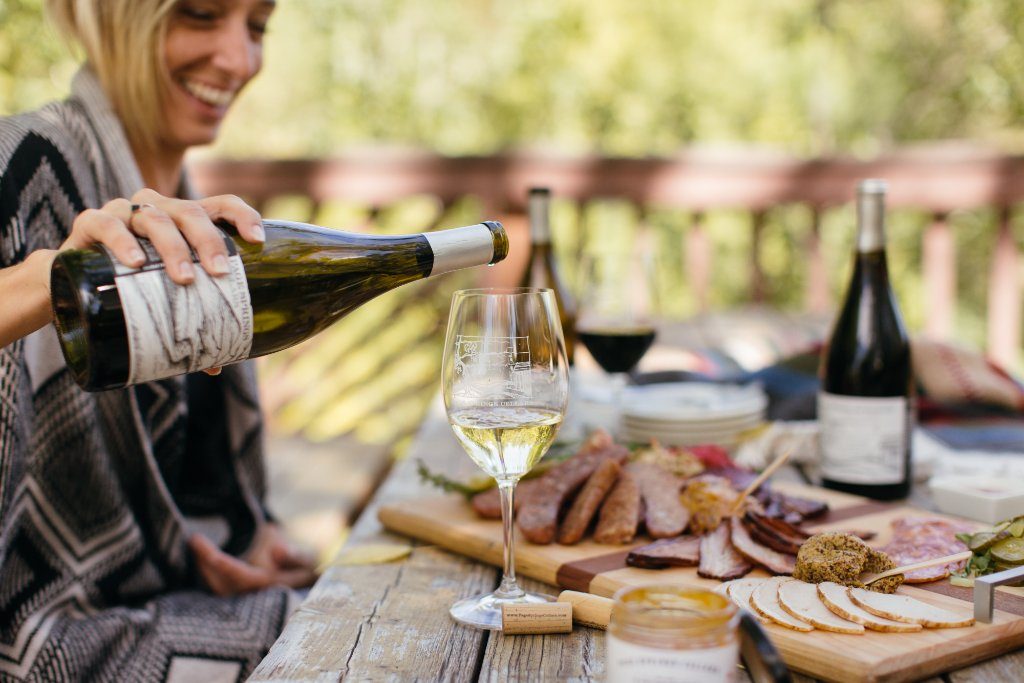
Discover Arizona's Wine Country
Arizona wine country surprises most first-time visitors. Tucked into the high-desert Verde Valley, roughly 30–45 minutes from Sedona, this small but ambitious wine region has quietly earned a genuine reputation over the past two decades, with tasting rooms set against red rock cliffs and the historic mining town of Jerome rather than the rolling green hills most people picture when they think of wine country.
The wines themselves reflect the landscape — bold, sun-drenched reds and aromatic whites built from heat- and drought-tolerant grape varieties suited to Arizona's elevation and climate, rather than imitations of California or French styles. For travelers already exploring Sedona or the Verde Valley, a wine tasting detour adds an unexpected, genuinely enjoyable layer to a Northern Arizona trip.
Why Arizona? The Rise of Desert Wine
Arizona's modern wine industry is young by global standards, with most of its commercial vineyards and wineries established from the 1990s onward, but it has grown quickly and seriously. Early pioneers experimented with grape varieties suited to Arizona's hot days, cool nights, and mineral-rich volcanic and limestone soils, gradually proving that the state's high-desert terrain could produce genuinely distinctive, well-regarded wine rather than a novelty.
Today, the Verde Valley and the nearby Sonoita-Elgin region in southern Arizona anchor the state's wine industry, with dozens of wineries and tasting rooms drawing both dedicated wine tourists and travelers who simply add a tasting stop onto a broader Sedona or Verde Valley visit.
Where Is Arizona Wine Country?
The Verde Valley — Arizona's primary wine region relevant to Grand Canyon and Sedona travelers — centers around the towns of Cottonwood, Jerome, and Page Springs, roughly 30–45 minutes southwest of Sedona via Highway 89A. The valley's elevation, generally between 3,000 and 4,500 feet, and its position along the Verde River give it a noticeably different growing climate than the low desert around Phoenix.
A separate, well-established wine region exists in southern Arizona around Sonoita and Elgin, southeast of Tucson, but that area sits well outside a typical Grand Canyon or Sedona itinerary and isn't covered in depth here.
Why Grapes Thrive in the High Desert
Counterintuitively, Arizona's desert climate offers real advantages for winegrowing. High elevation across the Verde Valley creates a significant swing between hot daytime temperatures and noticeably cooler nights — a diurnal temperature range that helps grapes develop complex flavor while retaining acidity, a balance winemakers prize. Abundant sunshine throughout the growing season ensures reliable ripening, and the region's naturally dry climate reduces the disease and mold pressure that can plague vineyards in more humid wine regions.
The valley's volcanic and limestone-influenced soils, shaped by the same geologic history visible throughout the Verde Valley and Sedona's red rock formations, add further mineral complexity that many Arizona winemakers consider central to the region's distinct character.
Grape Varieties Grown in Arizona
Rather than planting classic cool-climate varieties like Pinot Noir or Chardonnay, most Arizona vintners have gravitated toward heat- and drought-tolerant Mediterranean and Rhône-style grapes better suited to the state's climate. Syrah, Grenache, and Mourvèdre are common red varieties, often blended together in the classic Rhône "GSM" style, while Malvasia Bianca and Viognier are popular aromatic whites that hold up well to Arizona's intense sunshine.
This deliberate departure from conventional wine-region varieties is part of what makes Arizona wine genuinely distinctive rather than a lesser imitation of better-known regions — winemakers here have largely embraced growing what actually suits the desert, rather than fighting the climate to grow what's fashionable elsewhere.
Cottonwood: Old Town Wine Row
Cottonwood's historic Old Town district has become the most walkable hub of Verde Valley wine tasting, with a concentrated cluster of tasting rooms lining a few blocks of restored early-1900s storefronts. It's an easy area to explore several tasting rooms on foot in a single afternoon, pairing wine with the district's restaurants and shops.
Jerome: Wine Tasting in a Historic Mining Town
Jerome, a former copper mining boomtown perched dramatically on the side of Cleopatra Hill above the Verde Valley, has reinvented itself as an arts community and now hosts several distinctive tasting rooms tucked into its steep, historic streets. The combination of ghost-town history, artist studios, and wine tasting rooms with sweeping valley views makes Jerome one of the more atmospheric stops on any Verde Valley wine tour. For more on the town itself, see our Jerome → guide.
Page Springs and Oak Creek
South of Sedona along Oak Creek, the Page Springs area is home to several of the Verde Valley's most established wineries, many with vineyards planted directly on-site rather than relying solely on grapes trucked in from elsewhere. The creek-side setting, shaded by cottonwoods, offers a noticeably different atmosphere than Cottonwood's downtown storefronts or Jerome's hillside streets — a good option for travelers wanting a slower, more rural wine tasting experience.
Sedona's Connection to Wine Country
Sedona itself has no commercial vineyards, but its proximity to the Verde Valley has made it the natural base for wine country visitors, and several Sedona-based tasting rooms and wine bars pour Verde Valley wines directly in town for visitors who don't want to drive out to the vineyards themselves. For travelers already staying in Sedona, the short drive down into the Verde Valley remains the most complete way to experience the region firsthand. See our Sedona → guide for more on the wider area.
Food and Local Flavor
Many Verde Valley tasting rooms pair naturally with the region's growing food scene — Cottonwood's Old Town district and Jerome's historic streets both host restaurants and cafés well suited to a leisurely tasting day, from casual bites between stops to a sit-down meal to close out the afternoon. Some wineries also host food trucks or small plates on weekends, adding another reason to slow down and spend a full afternoon rather than rushing between tasting rooms.
Because the Verde Valley sits at the intersection of Sedona's tourism economy and the region's ranching and agricultural history, the local food culture tends to blend upscale and casual comfortably — a useful thing to know when planning how much time to budget for the day.
Planning a Wine Tasting Day
| From Sedona to | Approx. Driving Time |
|---|
| Cottonwood | 30 minutes |
| Jerome | 35–40 minutes |
| Page Springs | 25 minutes |
Most visitors can comfortably combine two or three tasting rooms across Cottonwood, Jerome, and Page Springs in a single afternoon, though a full day allows for a more relaxed pace — and a designated driver or guided tour is always the safer, more enjoyable choice given the tasting-to-tasting driving involved.
Best Time to Visit
Spring and fall offer the most comfortable temperatures for touring outdoor tasting patios and vineyard settings across the Verde Valley. Summer can bring genuine desert heat, though many tasting rooms are indoors or shaded, making midday visits manageable even in warmer months. Winter is generally mild and quiet, with smaller crowds than the busier spring and fall tasting season.
Wine Tasting Etiquette and Tips
Many Verde Valley tasting rooms welcome walk-ins, but calling ahead or booking online is worthwhile on weekends and during the busier spring and fall season, especially for smaller, boutique operations with limited seating. Pacing tastings across the day, drinking water between stops, and eating beforehand all make for a more enjoyable — and safer — experience, particularly when visiting multiple wineries in one outing.
A guided tour removes the biggest logistical headache entirely, handling both the driving and the route planning so visitors can focus on the tasting itself rather than navigation between stops.
Nearby Attractions
Arizona wine country sits within easy reach of several other Verde Valley and Sedona-area destinations.
Sedona
Red rock formations and the natural base for wine country visits.
READ GUIDE →Jerome
A historic mining town turned arts community with its own tasting rooms.
READ GUIDE →Oak Creek Canyon
A scenic canyon drive connecting Sedona to Flagstaff.
READ GUIDE →Cottonwood
The Verde Valley's walkable Old Town wine-tasting hub.
READ GUIDE →
Frequently Asked Questions
Where is Arizona wine country located?
Arizona's primary wine region is the Verde Valley, centered around Cottonwood, Jerome, and Page Springs, roughly a 45-minute drive from Sedona.
Why does wine grow well in Arizona's desert?
High elevation (3,000–5,000 feet) creates significant day-to-night temperature swings that help grapes develop complexity, while the desert climate provides abundant sunshine and naturally low disease pressure.
What grape varieties grow in Arizona?
Arizona vintners favor heat- and drought-tolerant Mediterranean and Rhône varieties including Syrah, Grenache, Mourvèdre, Malvasia, and Viognier, rather than classic cool-climate grapes.
Is Jerome part of Arizona wine country?
Yes — the historic mining town of Jerome, perched on Cleopatra Hill above the Verde Valley, hosts several tasting rooms and is a popular stop on any Verde Valley wine tour.
How far is Arizona wine country from Sedona?
The Verde Valley wine region is roughly 30–45 minutes from Sedona, making it an easy half-day or full-day addition to a Sedona trip.
Do I need reservations for wine tasting in the Verde Valley?
Many tasting rooms welcome walk-ins, but reservations are recommended on weekends and during peak season, especially for smaller, boutique wineries.
When is the best time to visit Arizona wine country?
Spring and fall offer the most comfortable temperatures for touring outdoor tasting rooms and vineyards; summer can be hot, though many tasting rooms are indoors or shaded.
Can you combine wine tasting with a Sedona visit?
Yes — the Verde Valley's proximity to Sedona makes it a natural pairing, and several guided tours combine Sedona sightseeing with an afternoon of wine tasting.
Why Visit Arizona Wine Country?
Arizona wine country offers something genuinely unexpected — serious, distinctive wine grown in a high-desert landscape of red rock cliffs and historic mining towns, rather than the rolling vineyards most travelers picture. Paired naturally with a Sedona visit and easily explored in a single afternoon or day, the Verde Valley rewards curious travelers willing to try wine built specifically for the desert, not despite it.
Continue Exploring Signature Arizona Experiences
Arizona wine country pairs perfectly with a Sedona getaway. Grand Canyon Journeys' Sedona Highlights & Wine tour combines red rock sightseeing with Verde Valley wine tasting in one guided, private outing — no driving or route planning required.
Hot Air Ballooning
Sunrise balloon flights over the desert offer a uniquely peaceful way to take in Arizon...
READ GUIDE →Native American Arts & Culture
Galleries, trading posts, and cultural centers throughout the state showcase authentic ...
READ GUIDE →