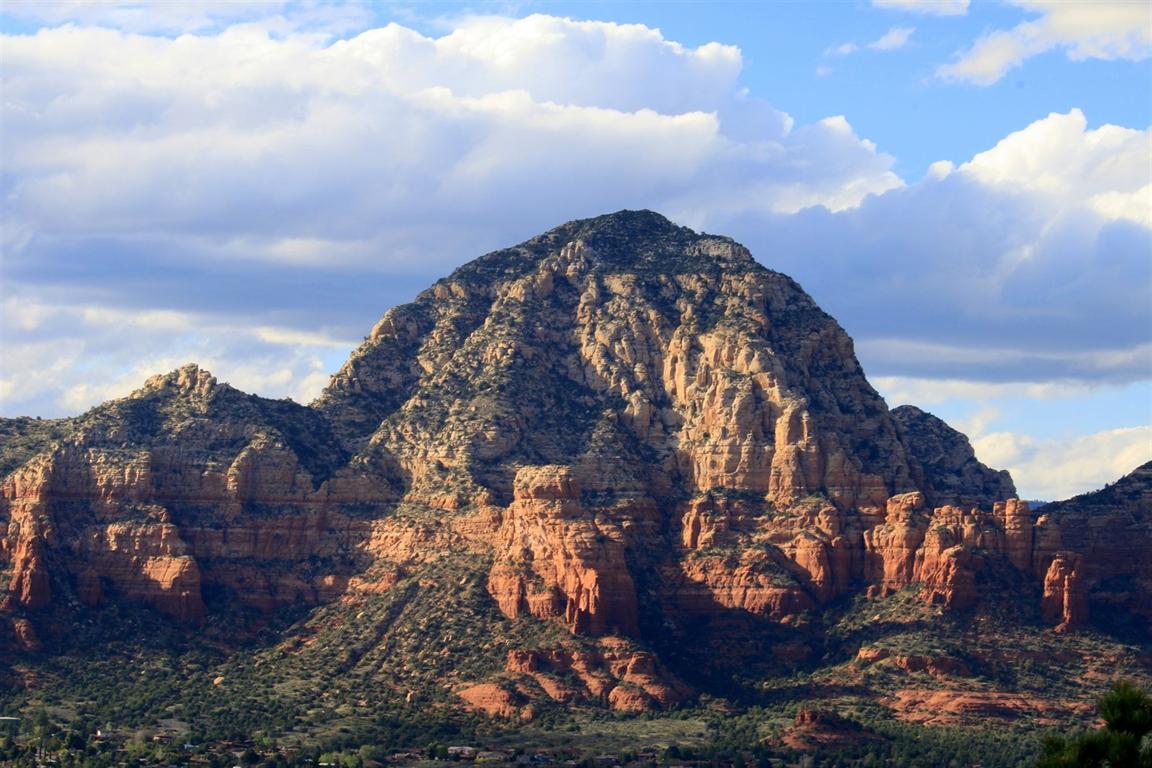
Sedona at a Glance
Before diving into the details, here's a quick overview of what makes Sedona one of Arizona's most distinctive destinations.
Located in Northern Arizona
At the mouth of Oak Creek Canyon
Roughly 4,350 Feet Elevation
Cooler than the low desert
Famous Red Rock Formations
Cathedral Rock, Bell Rock, and more
A Mild Four-Season Climate
Enjoyable nearly year-round
~2 Hours from the Grand Canyon
An ideal Northern Arizona base
A Small, Vibrant City
With an outsized creative and culinary scene
Why Visit Sedona?
Sedona sits at the mouth of Oak Creek Canyon in Northern Arizona, ringed by towering red sandstone formations that rise directly from the desert floor. The Sinagua people farmed this valley for centuries before American settlers arrived in the late 1800s, drawn by the reliable water Oak Creek provided in an otherwise arid region. The town itself takes its name from Sedona Schnebly, an early settler whose husband opened the area's first post office here in 1902.
What began as a small ranching community transformed over the 20th century into one of Arizona's most visited destinations, driven first by the dramatic scenery and later by a genuinely significant arts community that took root around galleries like Tlaquepaque Arts and Crafts Village. Today, Sedona balances a serious tourism economy with an active creative scene, a strong emphasis on outdoor recreation, and a reputation for luxury hospitality well beyond what a town of its modest size would typically support.
What makes Sedona unique isn't just the red rocks, striking as they are — it's the density of everything packed into a small area. World-class hiking and photography, a respected arts and wellness community, some of the darkest night skies in Arizona, and a mild four-season climate all sit within a few square miles of downtown. Add to that Sedona's position at the geographic center of Northern Arizona, within easy reach of the Grand Canyon, Flagstaff, and the Verde Valley, and it's easy to see why so many visitors choose Sedona as their home base rather than just a day-trip stop.
Sedona's character also comes through in how the town itself is arranged. Rather than a single dense downtown, Sedona is spread across a handful of distinct areas — Uptown's walkable shops and restaurants, the quieter residential feel of West Sedona, and the resort-lined Highway 179 corridor toward the Village of Oak Creek — each offering a slightly different pace and atmosphere while remaining just minutes from the same surrounding red rock scenery.
Top Things to Do in Sedona
Chapel of the Holy Cross
Built directly into the red rocks south of town in 1956, this modernist chapel is one of Sedona's most photographed landmarks. Its dramatic concrete form rises straight out of the sandstone, framing sweeping views of the surrounding red rock country from its outdoor terrace. It remains an active place of worship, but visitors of any background are welcome to step inside and take in the view.
Bell Rock
Named for its distinctive, symmetrical shape, Bell Rock stands prominently along Highway 179 between Sedona and the Village of Oak Creek. A network of well-marked trails circles its base and climbs partway up its lower slopes, making it one of the most accessible formations in the area to explore up close, with minimal elevation gain required for sweeping views.
Cathedral Rock
Among the most photographed formations in all of Arizona, Cathedral Rock's dramatic spires rise above Oak Creek, with its reflection creating a defining image of Sedona. The trail to its saddle is short but genuinely steep, rewarding hikers with one of the best viewpoints in the entire red rock region.
Airport Mesa
A short, easy climb to a flat mesa top just above town, Airport Mesa is famous for two things: one of Sedona's best sunset viewpoints, and its reputation as one of the area's most visited vortex sites. Even visitors skeptical of the vortex reputation tend to agree the 360-degree views are worth the short walk.
Tlaquepaque Arts and Crafts Village
Built to evoke a traditional Mexican arts village, Tlaquepaque's shaded courtyards, arched walkways, and sycamore trees house dozens of galleries, studios, and boutiques. It's as much an architectural destination as a shopping one, and a pleasant place to spend an hour or two out of the sun.
Jeep Tours
Sedona's rugged backcountry roads, including the famous Broken Arrow and Soldier Pass routes, are best experienced aboard an off-road Jeep tour, which can navigate slickrock and sandy washes inaccessible to a standard vehicle. These tours reach viewpoints and formations most visitors never see on their own.
Hiking
With well over 200 miles of trails winding through red rock country, hiking is arguably Sedona's single best activity. Trails like the West Fork of Oak Creek, Devil's Bridge, and Boynton Canyon range from easy creekside walks to steep, all-day treks, with something suited to nearly every fitness level. Many of the most popular trailheads fill up by mid-morning during peak season, so an early start is generally rewarded with both cooler temperatures and considerably less foot traffic.
Shopping
Beyond Tlaquepaque, Uptown Sedona's Highway 89A corridor is lined with galleries, boutiques, and jewelry shops specializing in Southwestern art, turquoise, and locally made crafts, making it an easy stop to pair with a meal or a sunset viewpoint. West Sedona and the Village of Oak Creek both offer a quieter, less touristy shopping alternative for visitors looking to avoid Uptown's busiest sidewalks.
Best Restaurants in Sedona
Sedona's dining scene punches well above its weight for a town of its size, with a concentration of chef-driven restaurants that rivals cities many times larger. Many of the area's best tables also double as some of its best viewpoints, with red rock or Oak Creek views built directly into the dining room or patio.
Elote Cafe
Widely considered one of Sedona's best restaurants, serving elevated Mexican cuisine. No reservations — expect a wait during peak season.
Mariposa Latin Inspired Grill
Perched above the red rocks with some of the best sunset views of any restaurant in town, pairing South American-inspired dishes with an open-fire grill.
Cress on Oak Creek
L'Auberge de Sedona's fine-dining restaurant sits creekside beneath the cottonwoods — an elevated, romantic setting for a special-occasion dinner.
Dahl & DiLuca Ristorante Italiano
A long-running Uptown favorite for classic Italian fare in a warm, art-filled dining room.
The Hudson
A contemporary American restaurant popular for both its menu and its lively, upscale bar scene.
Indian Gardens Café & Market
A relaxed spot along Oak Creek Canyon's scenic drive, good for a casual breakfast or lunch before or after a hike.
Coffee Pot Restaurant
A Sedona institution known for its enormous omelet menu — a favorite for a hearty breakfast before a day on the trails.
Reservations are strongly recommended at Sedona's higher-end restaurants, especially during the busy spring and fall seasons.
Where to Stay in Sedona
Sedona's accommodations range from some of Arizona's most acclaimed luxury resorts to simple, budget-friendly motels, with most options clustered in Uptown Sedona, West Sedona, or along the Highway 179 corridor toward the Village of Oak Creek.
Luxury
Enchantment Resort and L'Auberge de Sedona are Sedona's two most celebrated luxury properties, each set directly among the red rocks with full-service spas and acclaimed on-site dining. Amara Resort and Spa offers a more contemporary take on the same creekside luxury, within easy walking distance of Uptown. Expect rates generally starting well above $400 per night at Sedona's top resorts, especially during peak season.
Mid-Range
Sedona Rouge Hotel & Spa, Arabella Hotel Sedona, and Kokopelli Suites all offer comfortable rooms, on-site amenities, and red rock views without the price tag of the top luxury resorts, typically in the $200–$350 per night range depending on season.
Budget
A handful of independent motels along Highway 89A in West Sedona offer simpler, no-frills accommodations, generally under $200 per night. Budget travelers should also consider staying in nearby Cottonwood or Camp Verde, both a short drive from Sedona with generally lower rates, especially useful during Sedona's busiest weekends.
Wherever you stay, booking well in advance is strongly recommended, particularly for spring and fall weekends and around major holidays, when Sedona's limited lodging inventory tends to sell out weeks ahead of time.
Best Time to Visit Sedona
Sedona's mild four-season climate makes it an enjoyable destination nearly year-round, though each season brings its own character.
Spring (March–May)
Comfortable daytime temperatures and a colorful bloom of desert wildflowers make spring one of the most popular — and busiest — times to visit.
Summer (June–August)
Days can grow warm, though Sedona's elevation keeps it noticeably milder than Phoenix. Afternoon monsoon thunderstorms are common in July and August, bringing dramatic skies and welcome cooling.
Fall (September–November)
Widely considered the best time to visit, with stable weather, comfortable temperatures, and vivid changing color along Oak Creek Canyon.
Winter (December–February)
Sedona's quietest season, with occasional light snow dusting the red rocks and noticeably thinner crowds — a good option for travelers who prefer a slower pace.
Crowds peak during spring and fall weekends, along with major holidays; visiting midweek or during the shoulder seasons of late fall and winter generally means shorter waits at popular trailheads and easier parking at top viewpoints.
Family-Friendly Activities
Sedona offers plenty for families traveling with kids, alongside its reputation as a romantic or wellness-focused getaway. Slide Rock State Park, a natural rock water slide formed where Oak Creek slides across smooth sandstone, is a longtime favorite for kids of all ages during the warmer months. Easy, mostly flat trails like Bell Rock Pathway and the lower stretch of the West Fork Trail give younger hikers a manageable introduction to red rock scenery without a steep climb. A gentle, narrated Jeep tour is often an easier way for young children to see the backcountry than a strenuous hike, and many outfitters offer family-friendly route options. Tlaquepaque's shaded courtyards and Uptown Sedona's walkable shopping district also make for an easy, low-key afternoon that doesn't require much hiking at all.
Sedona's mild climate also means outdoor activities remain workable with kids across most of the year, though midday summer heat is worth planning around with earlier starts and shaded rest stops built into the day. A number of Sedona restaurants and casual cafés are comfortable, kid-friendly stops after a morning outdoors, making it easy to build a full family day around a single trailhead or viewpoint.
Luxury Experiences
Sedona has built a genuine reputation around luxury and wellness travel, from its acclaimed resort spas to private, guided experiences that let visitors take in the red rocks without the crowds of a standard group tour. Rather than joining a large shared bus, private touring allows guests to set their own pace, ask questions freely, and reach viewpoints timed around the best light of the day.
Grand Canyon Journeys' own private Sedona tours reflect this same approach — a private luxury vehicle, a knowledgeable local guide, and a route built around each guest's interests rather than a fixed group schedule. The Sedona Highlights Tour covers the area's essential viewpoints, while the Sedona Highlights & Wine Tour pairs the same red rock scenery with tastings at nearby Verde Valley wineries, and the Sedona Highlights & Hike Tour adds a guided trail matched to each guest's fitness level. Combined with Sedona's spa culture, fine dining, and luxury resorts, it's easy to build an entire trip around comfort and pace rather than rushing between checklist stops.
For visitors staying at one of Sedona's resort properties, pairing an in-house spa day with an afternoon private tour is a popular way to experience both sides of Sedona's luxury reputation without ever feeling rushed. Sunset timing in particular is worth planning around — many of Sedona's most dramatic views are at their best in the last hour of daylight, and a private guide can build a route around that timing in a way a fixed-departure group tour generally cannot.
Day Trips from Sedona
Sedona's central location makes it an excellent base for exploring farther afield. Here are five of the best day trips from Sedona:
Grand Canyon
Roughly two hours north, the South Rim is an easy day trip, with iconic viewpoints and lunch at the historic El Tovar.
READ GUIDE →Jerome
About 45 minutes south, this former copper-mining boomtown clings to Cleopatra Hill, now home to art galleries and wine tasting rooms.
READ GUIDE →Cottonwood
A short drive south in the Verde Valley, Cottonwood's Old Town is a walkable hub for wine tasting rooms and casual dining.
Flagstaff
About 45 minutes north via scenic Oak Creek Canyon, with cooler mountain air and Route 66 history.
READ GUIDE →Verde Valley
South of Sedona, home to Montezuma Castle and Tuzigoot, two of Arizona's best-preserved ancestral Puebloan sites.
Because Sedona sits at roughly the center of Northern Arizona, most of these day trips can be combined into a single loop rather than requiring separate out-and-back drives, making it possible to see several destinations in one well-planned day without ever needing to change hotels.
Frequently Asked Questions
What is the best time of year to visit Sedona?
Fall and spring generally offer the most comfortable temperatures and stable weather, though Sedona's mild four-season climate makes it enjoyable throughout the year.
How many days do you need in Sedona?
Two to three days is enough to see Sedona's main viewpoints, do some hiking, and take at least one day trip to a nearby destination like Jerome or the Grand Canyon.
Is Sedona good for families?
Yes. Slide Rock State Park, easy trails like Bell Rock Pathway, and family-friendly Jeep tour options all make Sedona workable for travelers with kids.
Do I need a Red Rock Pass to park in Sedona?
Yes, a Red Rock Pass or America the Beautiful pass is required to park at most Coconino National Forest trailheads around Sedona, including many of the most popular hikes.
What's the best way to see Sedona without hiking?
A private Jeep tour or a guided driving tour covers Sedona's best viewpoints without requiring a strenuous hike, making it a good option for visitors of any fitness level.
Where should I stay in Sedona?
Uptown Sedona and the Highway 179 corridor toward the Village of Oak Creek both offer easy access to trailheads, restaurants, and shopping, with lodging ranging from luxury resorts to budget motels.
Is Sedona expensive to visit?
Sedona skews upscale, especially at its luxury resorts and top restaurants, but budget-friendly lodging and dining options exist, and nearby Cottonwood offers generally lower rates.
How far is Sedona from the Grand Canyon?
The Grand Canyon's South Rim is roughly two hours north of Sedona, making it an easy day trip or the next stop on a Northern Arizona itinerary.
Can I visit Sedona without a car?
It's possible, but a car — or a private tour with door-to-door pick-up — makes it far easier to reach trailheads, viewpoints, and day trips that are spread across a wide area with limited public transit.
What should I pack for Sedona?
Sturdy hiking shoes, sun protection, and layers for cool mornings and evenings are essentials nearly any time of year, along with warmer layers in winter and rain gear during the summer monsoon season.
Book Your Private Sedona Tour
Skip the group bus and see Sedona's red rocks at your own pace, with a private luxury vehicle and a knowledgeable local guide.
Continue Exploring Arizona
Sedona connects directly to some of Northern Arizona's most remarkable destinations. Here's where to go next:
Oak Creek Canyon
A scenic, forested canyon just north of Sedona.
READ GUIDE →Grand Canyon National Park
The centerpiece of Arizona's geological story.
READ GUIDE →Jerome
A historic mining town clinging to Cleopatra Hill.
READ GUIDE →Flagstaff
A high-elevation mountain town near the San Francisco Peaks.
READ GUIDE →Destination Guides
Explore all of Arizona's destination guides.
READ GUIDE →Grand Canyon Travel Planner
In-depth guides on timing, weather, and hiking.
READ GUIDE →
Explore Northern Arizona with Grand Canyon Journeys
Sedona is the perfect starting point for discovering the very best of Northern Arizona. From the Grand Canyon and ancient cliff dwellings to scenic canyons, volcanic landscapes, and the Verde Valley, our private tours allow you to experience the region at your own pace with knowledgeable local guides.