Why Visit Flagstaff?
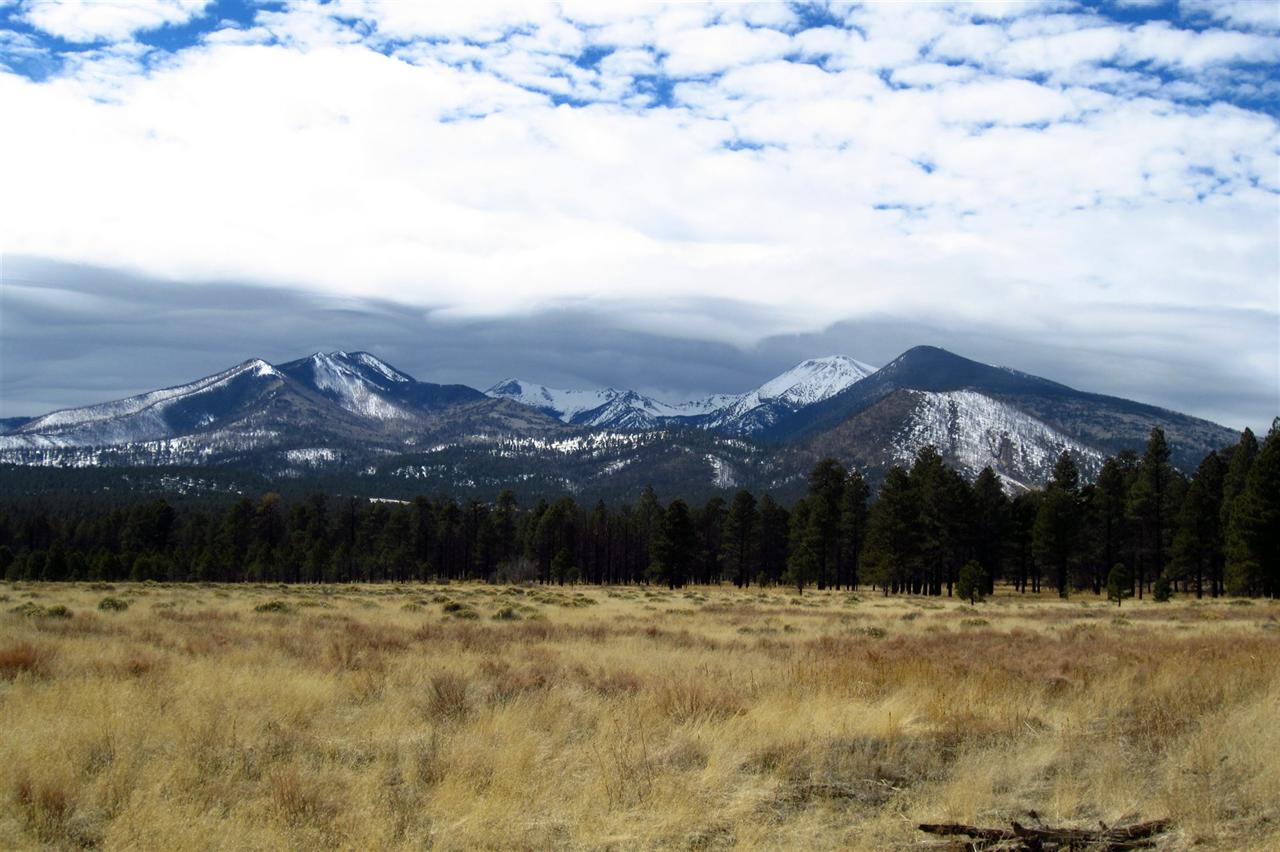
Flagstaff is Arizona's premier mountain town, set at over 6,900 feet in elevation at the base of the San Francisco Peaks, the highest mountains in the state. Surrounded by the largest contiguous ponderosa pine forest in the world, Flagstaff offers a cooler, four-season counterpoint to the desert landscapes found across the rest of Arizona, with genuine snow in winter and mild, comfortable summers.
The city's historic downtown grew up along Route 66, and that heritage is still visible today in its brick storefronts, neon signage, and the trains that still rumble through the center of town. Flagstaff is also home to Lowell Observatory, where Pluto was discovered in 1930, and its surrounding dark, protected skies helped make it the world's first International Dark Sky City.
Beyond its own attractions, Flagstaff's real strength is its location. It sits within easy reach of the Grand Canyon's South Rim, the volcanic fields of Sunset Crater, the ancestral pueblos of Wupatki and Walnut Canyon, and Sedona's red rocks, all without requiring a change of hotel. That combination of mountain scenery, history, astronomy, and central location makes Flagstaff one of the most versatile bases anywhere in Northern Arizona.
Flagstaff is also a genuine four-season destination in a state better known for endless summer. Winter brings real snow and a full ski season at Arizona Snowbowl; summer offers a cool, comfortable escape from the desert heat found across the rest of Arizona; and both spring and fall bring their own distinct character, from wildflower blooms to vivid aspen color across the San Francisco Peaks. Few Arizona towns offer this much seasonal variety within a single, walkable destination.
Top Things to Do in Flagstaff
Historic Downtown Flagstaff
Time needed: 2–3 hours. Flagstaff's walkable downtown is lined with early-1900s brick buildings, independent shops, breweries, and restaurants, with the historic Santa Fe Depot and active train tracks running straight through the middle of it. It's the natural starting point for any visit and the easiest way to get a feel for the city's Route 66 character.
Lowell Observatory
Time needed: 1.5–2.5 hours. Founded in 1894, Lowell Observatory is where astronomer Clyde Tombaugh discovered Pluto in 1930. Daytime tours and after-dark telescope viewing sessions make it a worthwhile stop for visitors of any age, and its hilltop setting offers sweeping views back over downtown.
Arizona Snowbowl
Time needed: Half day. On the western slopes of Humphreys Peak, Snowbowl operates as a full ski and snowboard resort in winter and a scenic chairlift ride in summer and fall, carrying riders up to nearly 11,500 feet for panoramic views across the Colorado Plateau.
Walnut Canyon National Monument
Time needed: 1.5–2 hours. A short drive from downtown, Walnut Canyon preserves cliff dwellings built by the Sinagua people directly into limestone alcoves along a forested canyon rim, reached via a paved loop trail with close-up dwelling access.
Sunset Crater Volcano National Monument
Time needed: 1.5–2 hours. A cinder cone volcano that erupted less than a thousand years ago, Sunset Crater's black lava fields remain strikingly barren, with an easy interpretive trail winding through the volcanic landscape.
Wupatki National Monument
Time needed: 1.5–2 hours. Just past Sunset Crater, Wupatki preserves red sandstone pueblo ruins built by ancestral Puebloan communities, set against sweeping high-desert views. The two monuments are commonly visited together via the same scenic loop road.
Museum of Northern Arizona
Time needed: 1.5–2 hours. This respected regional museum covers the geology, archaeology, and Native cultures of the Colorado Plateau, with rotating exhibits and a genuinely strong permanent collection of Native American art.
Riordan Mansion
Time needed: 1–1.5 hours. A striking Arts and Crafts-style log-and-stone mansion built in 1904 for two prominent Flagstaff timber families, preserved as a state historic park with guided tours through its original furnishings.
Buffalo Park
Time needed: 1–2 hours. A 2-mile loop trail circles this open meadow park just north of downtown, with unobstructed views of the San Francisco Peaks and an easy, flat grade that works well for families and casual walkers.
Flagstaff Urban Trail System
Time needed: Varies. Over 65 miles of paved and natural-surface trails connect neighborhoods, parks, and natural areas throughout Flagstaff, making it easy to walk or bike between downtown, Buffalo Park, and other attractions without a car.
Best Restaurants in Flagstaff
Flagstaff's dining scene reflects its college-town energy and mountain-town practicality, with a strong mix of fine dining, casual local favorites, and some of Arizona's best breweries.
Fine Dining
Criollo Latin Kitchen
Elevated Latin American cuisine in a stylish downtown setting, built around local and organic ingredients.
Tinderbox Kitchen
A seasonal, farm-driven menu in an intimate dining room, among Flagstaff's most consistently well-reviewed restaurants.
Local Favorites
Diablo Burger
A Flagstaff institution built around grass-fed, locally sourced burgers in a lively downtown space.
Fat Olives
Wood-fired Italian classics and pizza in a warm, family-friendly setting near downtown.
Breweries
Historic Brewing Company
One of Flagstaff's best-known breweries, with a full menu and a large, casual taproom.
Mother Road Brewing Company
A Route 66-themed brewery and taproom near the historic downtown depot.
Wanderlust Brewing Company
A neighborhood taproom known for its rotating seasonal beer lineup.
Breakfast & Coffee
Macy's European Coffee House
A longtime Flagstaff favorite for coffee and vegetarian breakfast fare, popular with locals and NAU students alike.
MartAnne's Breakfast Palace
A colorful, high-energy spot for Southwestern-style breakfast plates near downtown.
Where to Stay in Flagstaff
Luxury Hotels
Little America Hotel Flagstaff sits on 500 wooded acres just east of downtown, offering spacious rooms and resort-style grounds within a short drive of the city center.
Boutique Hotels
Hotel Monte Vista, a historic 1927 landmark in the heart of downtown, and the Drury Inn & Suites offer character-filled, walkable alternatives to the larger chain properties.
Family Hotels
Chain properties along Historic Route 66 and near the I-40/I-17 interchange offer straightforward, kid-friendly options with pools and easy highway access for families road-tripping through the region.
Budget-Friendly Options
Flagstaff has a strong selection of budget chain hotels and motels, particularly along Route 66 and Milton Road, generally offering the lowest rates of any major Northern Arizona gateway town.
Outdoor Adventures
Flagstaff's high elevation and surrounding forest support a genuinely wide range of outdoor recreation, often within the same season.
Hiking & Mountain Biking
Hiking ranges from the easy Buffalo Park loop to the strenuous Humphreys Peak Trail, a steep climb to Arizona's highest point. Mountain biking is a major part of local culture, with extensive singletrack trail networks threading through the surrounding Coconino National Forest, suited to everything from casual rides to serious cross-country routes.
Skiing & Snowboarding
Arizona Snowbowl runs a full winter season on the San Francisco Peaks, with lifts, terrain, and a base lodge that make it a legitimate ski destination rather than a novelty, a rare thing to find this far south in the Southwest.
Scenic Drives & Wildlife Viewing
Scenic drives like the Snowbowl Road and Schultz Pass Road offer sweeping forest and mountain views with minimal effort, while wildlife viewing is rewarding throughout the surrounding forest, with elk, mule deer, and a wide range of birds commonly spotted at dawn and dusk.
Fishing & Camping
Fishing is available at nearby Lake Mary and Ashurst Lake, both a short drive southeast of town, and camping options range from developed Forest Service campgrounds with full amenities to dispersed, no-fee sites scattered throughout the surrounding national forest.
Museums, History & Culture
Lowell Observatory anchors Flagstaff's identity as a center for astronomy, its historic domes and working telescopes still open to visitors more than 130 years after the observatory's founding. The Museum of Northern Arizona, just north of downtown, offers the region's deepest look at Colorado Plateau geology, archaeology, and Native cultures, with a permanent collection considered among the finest of its kind in the Southwest.
Riordan Mansion preserves an early-1900s glimpse of Flagstaff's timber-industry wealth in a striking Arts and Crafts duplex built for two brothers and their families, while the city's Route 66 history remains visible throughout downtown in its motor courts, neon signs, and the active rail line that first put Flagstaff on the map as a railroad and logging town. Historic Downtown itself functions as a walkable open-air museum of early Flagstaff architecture, with most of its early 20th-century buildings still standing and in active use today.
Best Time to Visit Flagstaff
Spring
Spring brings melting snow, mild days, and considerably fewer crowds than summer, though weather can still swing unpredictably between warm afternoons and late-season cold snaps.
Summer
Summer is Flagstaff's busiest season, with comfortable daytime temperatures that make it a popular escape from the Phoenix heat, plus a full calendar of festivals and monsoon thunderstorms most afternoons in July and August.
Fall
Fall brings vivid aspen color to the San Francisco Peaks, typically peaking in late September to early October, along with stable weather and some of the most comfortable temperatures of the year.
Winter
Winter is genuinely cold and snowy, with Arizona Snowbowl running a full ski and snowboard season. Snow-covered downtown streets and the Peaks make for a dramatically different Flagstaff than the rest of the state typically offers.
Family-Friendly Things to Do
Flagstaff works well for families, with Buffalo Park's flat loop trail and Riordan Mansion's manageable guided tours both suited to younger visitors. The Arizona Snowbowl scenic chairlift offers a low-effort way for kids to take in mountain views in summer and fall, while Lowell Observatory's daytime tours and evening telescope sessions tend to be a hit with children curious about space. Easy, well-marked sections of the Flagstaff Urban Trail System also make it simple to build a low-key family outing around any downtown hotel.
Luxury Experiences in Flagstaff
Flagstaff's mountain setting supports a genuinely different kind of luxury travel than Arizona's desert resorts — one built around scenery, dark skies, and access rather than poolside relaxation. Private guided tours let visitors reach the Grand Canyon, Sunset Crater, and Wupatki at their own pace, without the fixed schedule of a shared group bus, while scenic helicopter flights over the San Francisco Peaks and surrounding volcanic fields offer a genuinely different perspective on the region's geology.
Lowell Observatory's after-dark stargazing sessions pair naturally with Flagstaff's International Dark Sky City status for a quiet, memorable evening, and boutique lodging downtown puts fine dining and premium outdoor adventures within easy walking distance. Grand Canyon Journeys' own private tours, including the Private Grand Canyon Day Tour and Four National Monuments Tour, both offer hotel pick-up from Flagstaff, making it easy to explore the wider region without ever renting a car.
Day Trips from Flagstaff
Flagstaff's central location makes it one of the best day-trip bases anywhere in Northern Arizona, with the Grand Canyon, red rock country, volcanic landscapes, and ancient pueblos all within a comfortable drive of downtown. If the canyon is the reason you are here, we run private Grand Canyon tours from Flagstaff with door-to-door hotel pick-up.
Grand Canyon National Park
The South Rim is roughly 80 miles, about 1.5 hours, north via Highway 180.
READ GUIDE →Sedona
Red rock country is about 45 minutes south via scenic Oak Creek Canyon.
READ GUIDE →Williams
The historic Route 66 town and Grand Canyon Railway depot are about 30 minutes west.
READ GUIDE →Sunset Crater Volcano
A cinder cone volcanic landscape roughly 20 minutes northeast of town.
READ GUIDE →Wupatki National Monument
Ancestral pueblo ruins just past Sunset Crater on the same scenic loop road.
READ GUIDE →Walnut Canyon National Monument
Cliff dwellings in a forested canyon just 10 minutes from downtown.
READ GUIDE →Meteor Crater
A massive, well-preserved impact crater about 40 minutes east.
READ GUIDE →Petrified Forest National Park
Fossilized ancient trees and colorful badlands roughly 1.5 hours east.
READ GUIDE →Painted Desert
Striped, multicolored badlands within Petrified Forest National Park, about 1.5 hours east.
READ GUIDE →Jerome
A former mining town clinging to Cleopatra Hill, about 1.5 hours south — a longer day trip.
READ GUIDE →
Suggested Flagstaff Itineraries
One Day in Flagstaff
Start with coffee and a walk through Historic Downtown, then visit Lowell Observatory late morning. Spend the afternoon at Sunset Crater and Wupatki National Monuments via the scenic loop road, and return downtown for dinner and a stop at one of Flagstaff's breweries.
Two Days in Flagstaff
Follow the one-day plan above, then dedicate a second day to the Grand Canyon's South Rim, roughly 1.5 hours north. Return to Flagstaff in the evening, or add a sunset stop at Buffalo Park for Peaks views before dinner downtown.
Three Days in Flagstaff
Add a third day for a loop through Walnut Canyon National Monument in the morning, followed by an afternoon day trip to Sedona via Oak Creek Canyon, or a longer excursion to Williams and the Grand Canyon Railway depot for travelers interested in Route 66 history.
Frequently Asked Questions
Is Flagstaff worth visiting?
Yes. Flagstaff combines a walkable historic downtown, cool mountain climate, and easy access to the Grand Canyon, volcanic landscapes, and ancient pueblos, making it one of Northern Arizona's most versatile home bases.
How far is Flagstaff from the Grand Canyon?
The Grand Canyon's South Rim is about 80 miles, roughly 1.5 hours, north of Flagstaff via Highway 180 or 89.
How many days should I spend in Flagstaff?
Two to three days is enough to see downtown, visit Lowell Observatory, and take at least one day trip to a nearby monument or the Grand Canyon.
Does it snow in Flagstaff?
Yes. At over 6,900 feet elevation, Flagstaff receives real winter snowfall, and Arizona Snowbowl operates a full ski and snowboard season on the San Francisco Peaks.
What is Flagstaff famous for?
Flagstaff is known for Route 66 history, Lowell Observatory and its dark-sky designation, the world's largest contiguous ponderosa pine forest, and its role as a primary gateway to the Grand Canyon.
Can you visit Sedona from Flagstaff?
Yes. Sedona is about 45 minutes south of Flagstaff via the scenic Oak Creek Canyon drive, making it an easy and popular day trip.
Is Flagstaff family-friendly?
Yes. Buffalo Park, the Arizona Snowbowl scenic chairlift, Riordan Mansion, and easy sections of the Flagstaff Urban Trail System all make Flagstaff workable for travelers with kids.
What is the elevation of Flagstaff?
Flagstaff sits at approximately 6,910 feet in elevation, making it one of the highest-elevation cities in the United States and noticeably cooler than the rest of Arizona.
Explore Northern Arizona with a Private Tour
Planning to visit the Grand Canyon, Sedona, or Northern Arizona? Grand Canyon Journeys offers private, fully customizable tours with experienced local guides, hotel pickup, and unforgettable experiences.
Continue Exploring Arizona
Flagstaff connects directly to some of Northern Arizona's most remarkable destinations. Here's where to go next:
Sedona
Red rock country and Northern Arizona's ideal home base.
READ GUIDE →Williams
Historic Route 66 and the Grand Canyon Railway.
READ GUIDE →Jerome
A historic mining town clinging to Cleopatra Hill.
READ GUIDE →Page
Lake Powell, Antelope Canyon, and Horseshoe Bend.
READ GUIDE →Scottsdale
Luxury resorts, fine dining, and shopping.
READ GUIDE →Route 66 Arizona
The historic Mother Road through Flagstaff and Williams.
READ GUIDE →Arizona Stargazing Guide
Dark skies across Flagstaff and beyond.
READ GUIDE →Arizona Outdoor Adventures
Hiking, biking, and recreation across the state.
READ GUIDE →
Grand Canyon Travel Planner
Planning a Grand Canyon trip from Flagstaff? These in-depth guides cover the details.
Explore Northern Arizona with Grand Canyon Journeys
From Flagstaff, our private tours make it easy to explore the Grand Canyon and the volcanic and ancestral landscapes surrounding it, with door-to-door hotel pick-up and a knowledgeable local guide.